
"2.2 times"
300 article(s) found

The method of primary processing of small coffee beans
Technical requirements for the initial processing of small seed (Arabica seed) Coffee 1. There are two processing methods for coffee beans made from fresh coffee fruits, namely wet processing and dry processing. The first and second grade fruits are processed by wet method, and the third grade fruits are processed by dry method in areas without peeling machine and lack of water. 2. Processing technology 2.1 equipment and facilities should be equipped with fresh fruit collection pool and rainbow
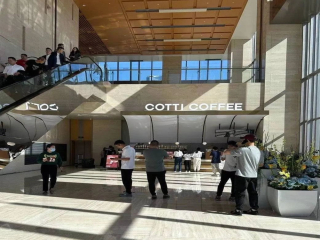
The first store is sure! Another cafe of Lu Zhengyao is coming!
Professional coffee knowledge exchange more coffee bean information please follow the coffee workshop (Wechat official account cafe_style) more boutique coffee beans please add private Wechat Qianjie coffee, WeChat: qjcoffeex today, according to the Daily Business News, former Luckin Coffee founder Lu Zhengyao and former Luckin Coffee
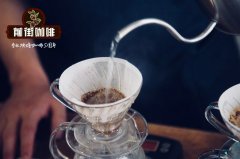
How stress affects the quality of espresso
Professional coffee knowledge exchange more coffee bean information Please pay attention to the coffee workshop (Wechat official account cafe_style) the key to making espresso lies in stress, while the crema, quantity, and flavor of espresso all come from the influence of stress. But why is stress so important? How does it affect concentrated formulations? Why is the nine atmospheric pressure the most commonly recommended pressure setting for brewing coffee?
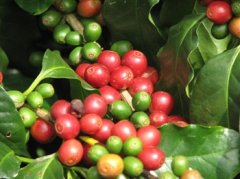
Technical requirements for primary processing of coffee in Yunnan (Arabica species)
Technical requirements for the initial processing of small seed (Arabica seed) Coffee 1. There are two processing methods for coffee beans made from fresh coffee fruits, namely wet processing and dry processing. The first and second grade fruits are processed by wet method, and the third grade fruits are processed by dry method in areas without peeling machine and lack of water. 2. Processing technology 2.1 equipment and facilities should be equipped with fresh fruit collection pool and siphon
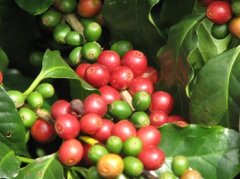
The primary processing technology of coffee in Yunnan requires Arabica species
Technical requirements for the initial processing of small seed (Arabica seed) Coffee 1. There are two processing methods for coffee beans made from fresh coffee fruits, namely wet processing and dry processing. The first and second grade fruits are processed by wet method, and the third grade fruits are processed by dry method in areas without peeling machine and lack of water. 2. Processing technology 2.1 equipment and facilities should be equipped with fresh fruit collection pool and siphon
The birth of coffee beans (1) Coffee trees from planting to fruiting
Coffee trees take 3-5 years from planting to fruiting. 6-10 years of coffee trees are the most likely to bear fruit, about 15-20 years, is the harvest period. Coffee trees are usually bred in nurseries and grow into saplings, and then moved to coffee farms a year later, in full compliance with the way the Arabs planted and cultivated coffee trees. Coffee trees will continue to take root downward and upward in the first four or five years of their growth.
The birth of Fine Coffee Culture and Common sense Coffee beans
The lifetime of a coffee tree takes 3-5 years from planting to fruiting. 6-10 years of coffee trees are the most likely to bear fruit, about 15-20 years, is the harvest period. Coffee trees are usually bred in nurseries and grow into saplings, and then moved to coffee farms a year later, in full compliance with the way the Arabs planted and cultivated coffee trees. Coffee trees will continue to decline in the first four or five years of growth.
Fine coffee technology Technical requirements for the initial processing of Yunnan Coffee
# FormatImgID_0# small seed (Arabica seed) Coffee initial processing Technical requirements 1. Processing methods there are two processing methods for coffee beans made from fresh coffee fruits, namely wet processing and dry processing. The first and second grade fruits are processed by wet method, and the third grade fruits are processed by dry method in areas without peeling machine and lack of water. 2. Processing technology 2.1 equipment and facilities should be provided with fresh food

[coffee King] Jierong plans to raise 780 million for Maiji and Guele suppliers next year.
For the exchange of professional baristas, please follow the coffee workshop (Wechat official account cafe_style). The Hong Kong time-honored coffee and black tea brand Jie Rong Group plans to list in Hong Kong next year! According to investment bank sources, Jierong plans to list on the main board and is expected to submit a listing application to the Stock Exchange (commonly known as form A1) as soon as the middle of this month, raising about US $100 million (that is, about HK $780 million), Bank of China International and Shanghai Bank of China

How many coffee fruits are processed per season and the planting environment are introduced
A coffee tree produces an average of how many coffee fruits per season and planting environment. Coffee fruits contain two seeds, namely coffee beans. The two beans stand upright facing each other on one side of their plane. Each coffee bean has a thin outer membrane, called the silver skin, which is covered with a yellow outer skin, called the endocarp. Whole coffee beans
The initial processing technology of coffee in Yunnan requires Arabica to grow coffee beans.
Technical requirements for the initial processing of small seed (Arabica seed) Coffee 1. There are two processing methods for coffee beans made from fresh coffee fruits, namely wet processing and dry processing. The first and second grade fruits are processed by wet method, and the third grade fruits are processed by dry method in areas without peeling machine and lack of water. 2. Processing technology 2.1 equipment and facilities should be equipped with fresh fruit collection pool and siphon

Planting conditions and Regional Distribution of Coffee trees species of Coffee trees planting altitude
Professional coffee knowledge exchange more coffee bean information Please pay attention to the coffee workshop (Wechat official account cafe_style) Coffee planting and geographical distribution climate is the decisive factor in coffee cultivation, coffee trees are only suitable for growing in the tropics or subtropics, so the zone between 25 degrees south and north latitude is generally called coffee belt or coffee area. However, not all the land located in this area
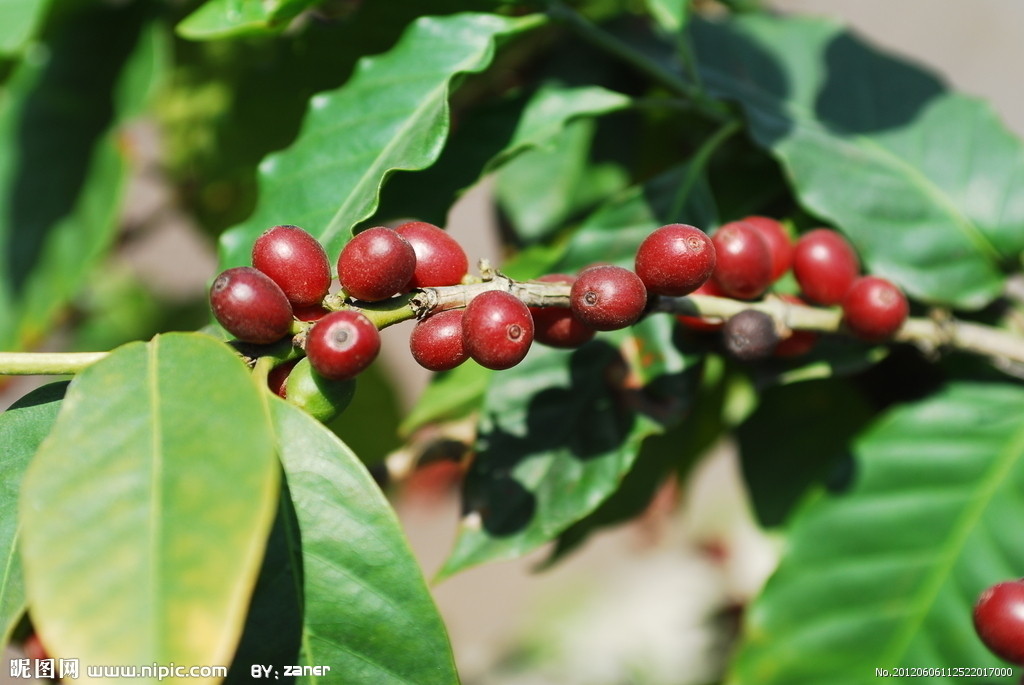
How long will it take for coffee to be planted before it can be harvested? The harvest from coffee tree planting to coffee beans is long.
Coffee trees take 3-5 years from planting to fruiting. 6-10 years of coffee trees are the most likely to bear fruit, about 15-20 years, is the harvest period. Coffee trees are usually bred in nurseries and grow into saplings, and then moved to coffee farms a year later, in full compliance with the way the Arabs planted and cultivated coffee trees. Coffee trees will continue to take root downward and upward in the first four or five years of their growth.

Aftertaste of Colombian Coffee Flavor introduction to Fine Coffee in Manor area
The land of the District of Columbia [2] originally came from Maryland and Virginia. When the District of Columbia was founded, the north bank of the Potomac River included Georgetown (Georgetown,D.C.), Washington City (Washington City,D.C.) and Washington County (Washington County,D.C.). In 1878, the three places merged into Washington, D.C., and the city of Washington.

What is the gourmet ratio of golden cup hand-made coffee
The proportion of SCAA refined cup coffee defined by the Gold Cup Fine Coffee Association of the United States and the European Fine Coffee Association of scae, the extraction rate of coffee must be about 20%, while the TDS (concentration ratio) is about 1.1% to 1.3%. For Drip Filter dripping and brewing, how to extract the best coffee flavor is controlled by two factors: the extract of coffee powder and the concentration in a cup of coffee.

Has Luckin Coffee been listed? Luckin Coffee is coming to Hong Kong IPO soon. The investment bank has prepared listing materials for him.
Professional coffee knowledge exchange more coffee bean information please follow the coffee workshop (Wechat official account cafe_style) lost 800 million yuan a year, Luckin Coffee, who once threatened to beat Starbucks, is rumored to be going public. EqualOcean reported on the 14th that investment banks have begun to prepare funds for Luckin Coffee on the IPO (initial public offering) on the Hong Kong Stock Exchange.
Leaves and flowers of coffee
Coffee leaves opposite, usually two rows spreading, individual single leaf whorl, petiole short, leaf leathery, green (dark green on the upper surface, light green on the lower surface). Glossy oval, oval to long oval. The leaf size of small-grain coffee is relatively uniform, the leaf is small and the end is longer, and the leaf edge wave is obvious, about 12-16 cm long and 5-7 cm wide. The leaves of the medium grain species are long and large, soft and thin.
Research on Fine Coffee extraction: what is the Coffee Gold Cup Theory Gold Cup extraction rate Table
Professional coffee knowledge exchange more coffee bean information please pay attention to the coffee workshop (Wechat official account cafe_style) scaa Fine Coffee Association of the United States and scae European boutique Coffee Association defined the proportion of Gold Cup coffee, the coffee extraction rate must be about 20%, while TDS is about 1.1% to 1.3%. How to extract the best coffee for Drip Filter drip filter cooking

Instant coffee is 90% additives! The toxicity is 1.8 times higher than that of freshly ground coffee!
The test found that 10 instant coffee samples failed the biotoxicity test. Biotech companies tested 30 instant coffee samples from 11 brands on the market. It was found that instant coffee was 1.8 times more toxic than chain coffee, and as many as 33% of the samples failed the toxicity test. The survey also found that the coffee content in most samples accounted for only 5-9% of the total ingredients, which was not toxic.